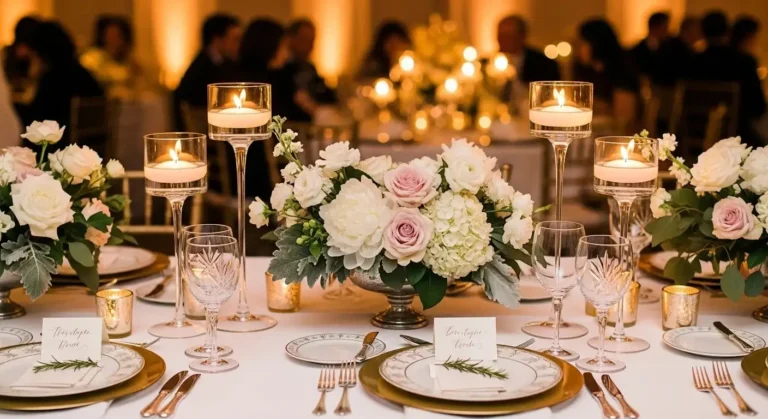
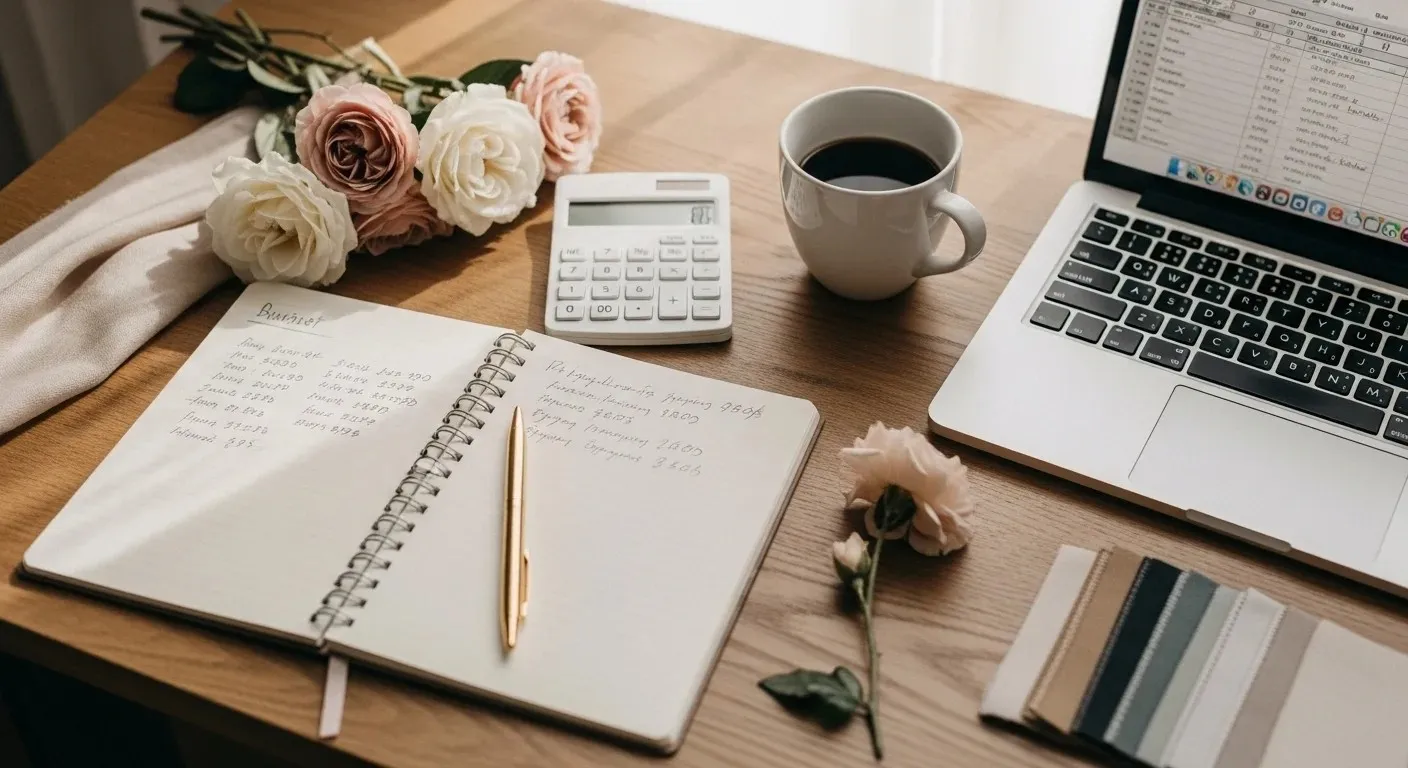
Planning a wedding is exciting, but the numbers behind it can feel confusing at first. Couples often start with a dream vision and then realize they must organize dozens of expenses—from the venue and catering to outfits and small decorative details. A clear budget plan helps keep spending under control and reduces stress.
Breaking your wedding budget into simple parts makes the process easier. Instead of guessing where the money will go, you create clear categories and track every dollar. This also helps you prioritize what matters most, whether that is photography, food, or décor.
The following list shares smart and practical ways to organize your wedding budget step by step. Each tip focuses on simple actions you can take right away. Many ideas also include DIY and money-saving options that help couples celebrate beautifully without overspending.
Set Your Total Wedding Budget First

Start by deciding the maximum amount you can comfortably spend on the wedding. This number acts as the foundation for every other decision.
Have an honest conversation with your partner. Talk about savings, possible family contributions, and what you both feel comfortable spending. Avoid guessing or hoping extra money will appear later.
Once you set a number, write it down in a notebook or spreadsheet. Seeing the total amount helps prevent impulsive spending.
Break the number into rough percentages. For example:
- 40–50% for venue and food
- 10% for photography
- 10% for attire
- 10% for décor
- Remaining funds for music, invitations, and extras
You can adjust these numbers based on your priorities.
A simple DIY trick is to use Google Sheets or Excel to track expenses. Create columns for category, estimated cost, and final cost.
Each time you book something, update the sheet. This small habit keeps your wedding finances organized from day one.
Identify Your Top Three Wedding Priorities

Every couple values different parts of a wedding. Some care deeply about food. Others want beautiful photos or a stylish venue.
Choose three things that matter most to both of you.
This step helps guide spending decisions.
For example:
- If photography matters most, allocate more funds there.
- If you love great food, increase the catering portion.
- If décor matters less, reduce that category.
Write your top priorities at the top of your budget sheet.
When new ideas appear—extra flowers, fancy signage, expensive favors—you can ask one simple question:
“Does this support our top priorities?”
If not, skip it.
This approach keeps your budget aligned with what truly makes the day meaningful.
A helpful DIY exercise is creating a priority ranking list from 1 to 10. Each partner ranks categories separately, then compare lists and agree on the top three.
That shared decision makes later budgeting much easier.
Divide the Budget into Clear Categories
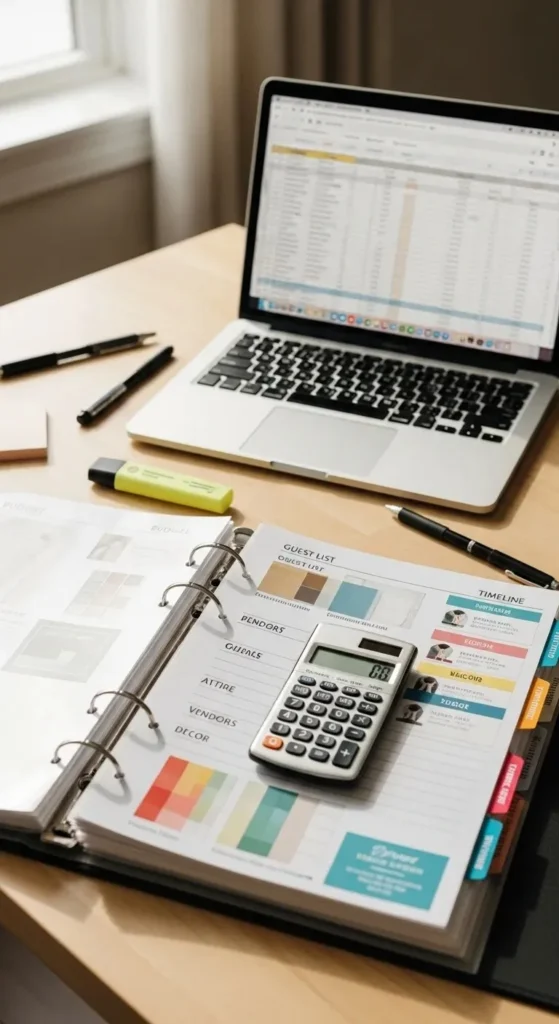
Large numbers can feel overwhelming. Breaking your wedding budget into categories makes everything easier to manage.
Common wedding budget categories include:
- Venue
- Catering
- Photography
- Videography
- Wedding attire
- Flowers
- Decorations
- Invitations
- Entertainment
- Cake
- Transportation
Create separate sections for each category in your spreadsheet.
Next, assign an estimated amount for each one.
This gives you a clear spending roadmap.
Many couples also create a “miscellaneous” category for small items like guest books, signage, or welcome bags.
A simple DIY trick is using colored tabs or highlight colors for each category in your spreadsheet. This makes the budget visually easy to scan.
When every expense fits into a category, you always know where your money is going.
Research Average Wedding Costs Early

Before booking anything, spend time researching prices in your area.
Wedding costs vary widely by location and season.
For example:
- A venue may cost $2,000 in one town and $10,000 in another.
- Photography prices might range from $800 to $4,000.
Research gives you realistic expectations.
Look at vendor websites, wedding blogs, and local planning groups.
Write down price ranges in your spreadsheet.
This prevents sticker shock later.
You might also discover areas where you can save money.
For instance, some venues offer weekday discounts or off-season packages.
A DIY option is creating a simple research tracker. Add columns like vendor name, service, price range, and notes.
Within a few hours of research, you will have a clearer picture of how to distribute your wedding budget.
Track Every Wedding Expense

Small purchases can quietly grow into large expenses.
That is why tracking every cost matters.
Create three columns in your spreadsheet:
- Estimated cost
- Actual cost
- Difference
Each time you make a payment, update the sheet immediately.
This habit keeps your budget accurate.
Many couples also add a payment status column showing deposit paid, partially paid, or fully paid.
If you prefer a simpler system, keep a dedicated wedding notebook.
Write down every purchase, even small ones like ribbon, candles, or printing supplies.
A practical DIY idea is setting a weekly budget check with your partner.
Spend 10 minutes reviewing the sheet together.
It keeps both of you informed and prevents surprises later.
Consistent tracking is one of the easiest ways to stay within your wedding budget.
Allocate a Contingency Fund

Unexpected expenses appear in almost every wedding plan.
Maybe shipping costs more than expected.
Maybe you decide to add extra flowers.
A contingency fund helps cover those moments.
Set aside 5–10% of your total budget for unplanned costs.
This money stays untouched unless necessary.
Think of it as a safety cushion.
Without it, even small changes could push your budget over the limit.
You can create a separate category in your spreadsheet labeled “backup funds.”
A DIY tip is opening a separate savings envelope or bank sub-account for this money.
Keeping it separate prevents accidental spending.
When the wedding is over, any unused amount becomes a nice bonus for your honeymoon or future plans.
Choose a Venue That Fits Your Budget
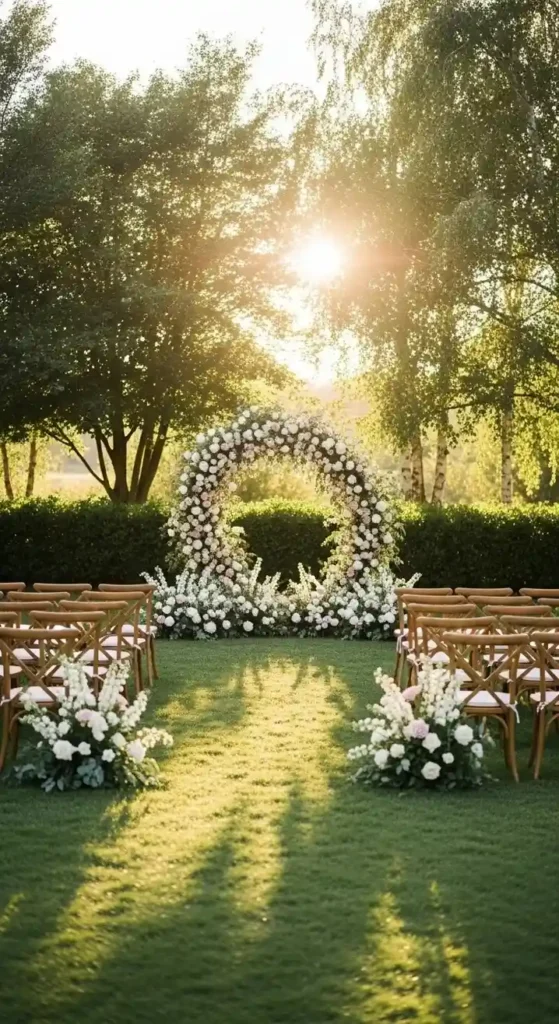
The venue usually takes the largest share of a wedding budget.
That is why choosing wisely matters.
Some venues include tables, chairs, and lighting in their package. Others charge extra for everything.
Ask vendors for a full list of included items before signing a contract.
This helps avoid hidden costs later.
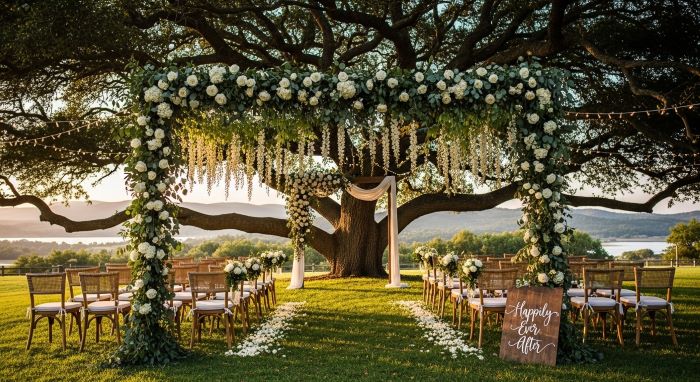
Outdoor spaces, community halls, and family properties often cost less than luxury venues.
Another money-saving idea is booking a weekday or Sunday wedding.
Many venues offer lower rates for those days.
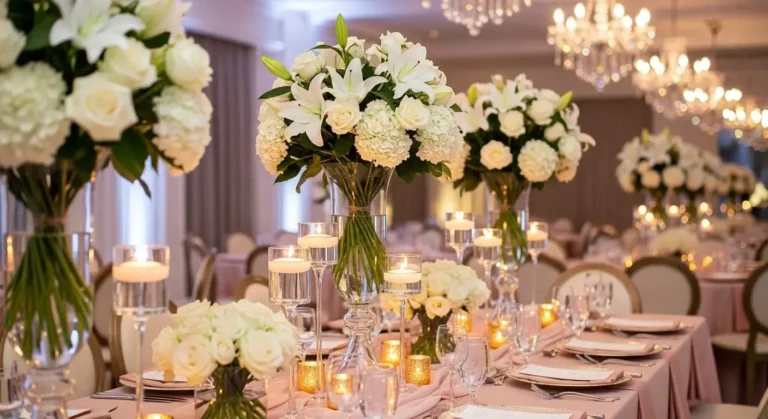
If you enjoy DIY projects, simple decorations like string lights, candles, and greenery can transform an affordable venue into a beautiful space.
The right venue choice can save thousands while still creating a memorable atmosphere.
Limit the Guest List

Guest count directly affects your wedding budget.
More guests mean more food, more chairs, more invitations, and a larger venue.
Reducing the list by even 20 people can save a significant amount.
Start by writing your dream guest list.
Then create a second list with only close family and friends.
Compare the numbers.
This exercise helps identify who truly needs to attend.
A helpful rule is asking:
“Have we spoken to this person in the past year?”
If not, they may not need an invitation.
DIY tip: Use a shared Google Sheet guest list with columns for priority level.
Mark guests as must-invite, optional, or extended.
This visual method helps couples trim the list without emotional stress.
Smaller weddings often feel more relaxed and personal too.
DIY Some Wedding Decorations
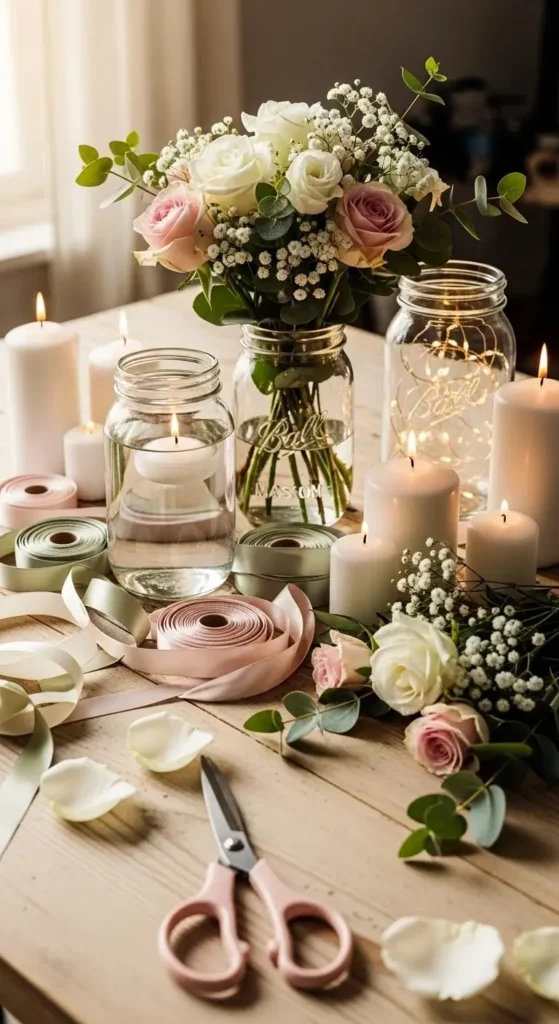
Decorations can quickly increase wedding costs.
Fortunately, many items are easy to make at home.
Simple DIY ideas include:
- Mason jar centerpieces
- Handmade table numbers
- Photo display boards
- Paper flower backdrops
Visit craft stores or reuse items you already own.
Greenery from local markets also makes beautiful décor at a low cost.
Invite friends for a craft night before the wedding.
Provide snacks and music while assembling decorations together.
Not only does this save money, it creates fun memories.
Keep designs simple. Clean and minimal decorations often look more elegant than complicated ones.
DIY projects work best when started early.
This avoids last-minute stress.
With creativity and teamwork, you can decorate your wedding beautifully while keeping spending under control.
Rent Instead of Buying
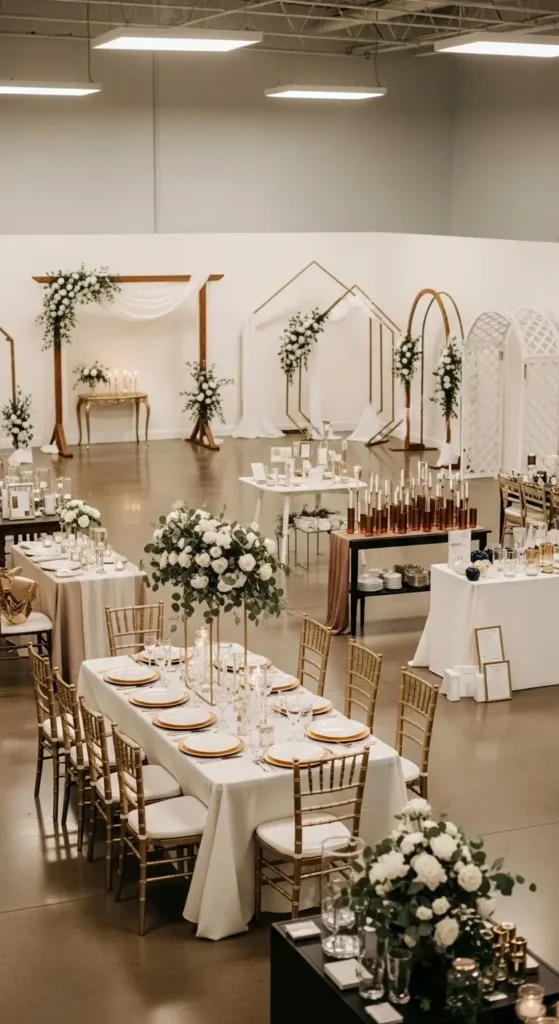
Many wedding items are used only once.
Buying everything rarely makes financial sense.
Rental companies offer items such as:
- Chairs
- Arches
- Table linens
- Candle holders
- Decorative backdrops
Renting costs much less than purchasing.
It also saves storage space after the event.
Compare rental prices with purchase costs before deciding.
Sometimes online marketplaces sell secondhand items at good prices.
After the wedding, couples often resell them.
A DIY trick is checking local wedding resale groups online.
Many couples sell décor bundles at half the retail price.
Combining rentals with secondhand purchases can reduce décor spending while still creating a stylish event.
Create a Realistic Catering Plan
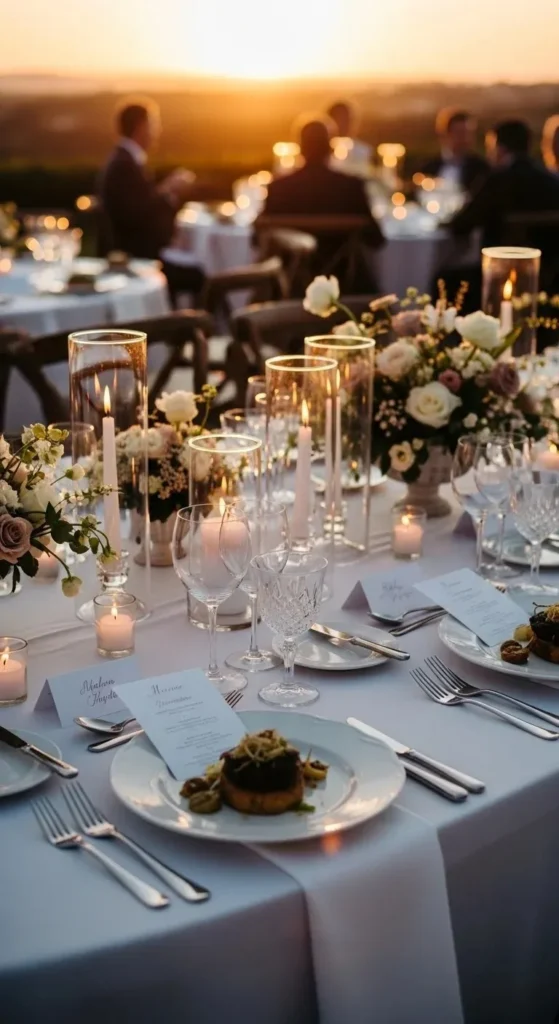
Food is one of the most memorable parts of a wedding.
It is also one of the largest expenses.
Buffet service often costs less than plated meals.
Family-style serving can also reduce staffing costs.
Choose a menu with seasonal ingredients, which usually cost less.
Limit the number of courses to control spending.
Another idea is offering fewer appetizer options.
Guests rarely notice if there are three choices instead of six.
Some couples also include homemade desserts baked by family members.
This adds a personal touch while saving money.
Always request a detailed catering quote.
It should include service fees, taxes, and staffing.
Knowing the full price helps keep your wedding budget organized and realistic.
Shop Secondhand Wedding Items
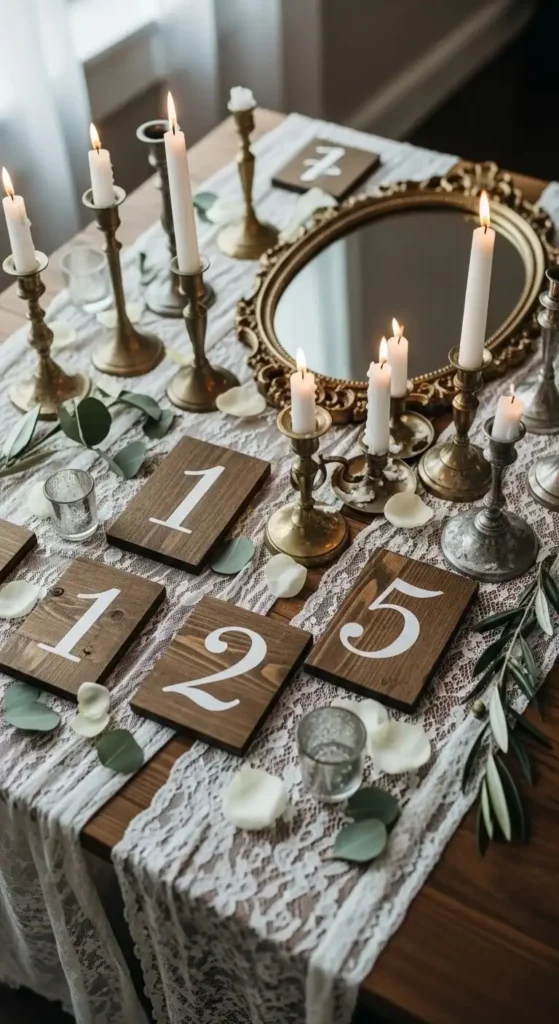
Many wedding items are used once and then stored away. Buying secondhand pieces is a simple way to reduce spending while still creating a beautiful setup.
Search online marketplaces, wedding resale groups, and community listings. Couples often sell decorations, signage, centerpieces, and even arches after their event.
You can find items such as:
- Table numbers
- Candle holders
- Artificial flowers
- Welcome signs
- Dessert stands
These pieces usually cost half the original price.
After your wedding, you can resell them again. That means you recover part of the money you spent.
Another option is borrowing items from friends or family members who recently got married.
For example, someone might already have:
- Card boxes
- Cake stands
- Decorative lanterns
A helpful DIY trick is creating a shared décor box with friends planning weddings in the same year. Each person contributes and reuses the items later.
Secondhand shopping keeps the wedding budget balanced while reducing waste.
Design Digital Invitations

Printed invitations can cost more than expected once you add envelopes, postage, and specialty paper.
Digital invitations provide a budget-friendly alternative.
Many design platforms allow couples to create stylish invitations and send them through email or messaging apps.
Guests can RSVP online, which saves time and money.
You can also combine both options. Send printed invitations to close family members and digital ones to the rest of the guest list.
A simple DIY option is designing invitations with free templates.
Add personal touches such as:
- Engagement photos
- Custom colors
- Wedding icons
Digital invites also make updates easier. If details change, you can send a quick message rather than reprinting cards.
This approach keeps communication simple while protecting your wedding budget.
Track Vendor Deposits Carefully
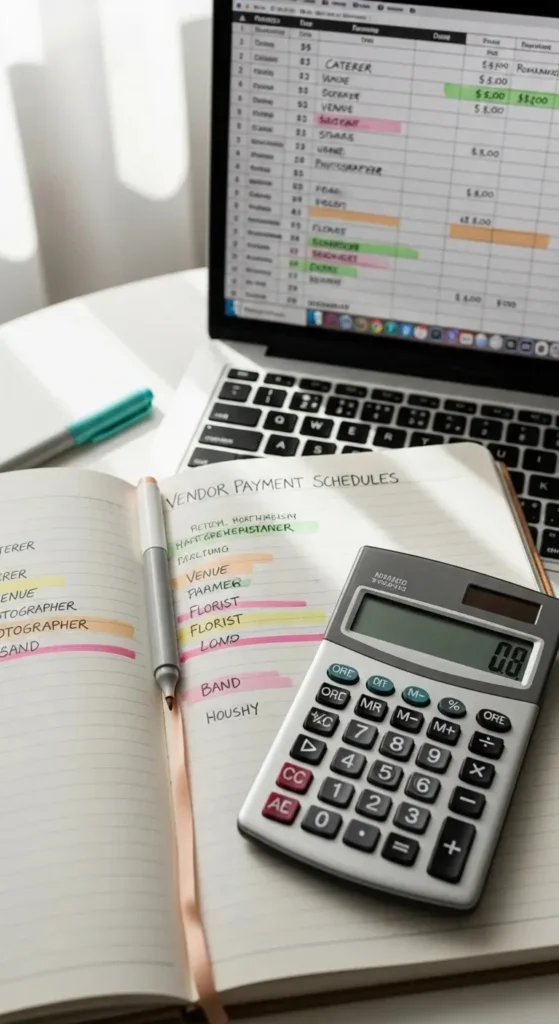
Many vendors require deposits when booking their services.
These deposits can range from 20% to 50% of the total cost.
Without a tracking system, it becomes easy to forget payment dates.
Create a vendor payment schedule in your budget sheet.
Include columns such as:
- Vendor name
- Total cost
- Deposit paid
- Remaining balance
- Payment due date
This layout keeps everything organized.
Set calendar reminders for upcoming payments. Even a simple phone reminder works well.
Another helpful trick is keeping digital copies of contracts and receipts in one folder.
If questions appear later, you can quickly review the details.
Tracking deposits keeps the wedding budget clear and prevents last-minute financial stress.
Choose Seasonal Flowers
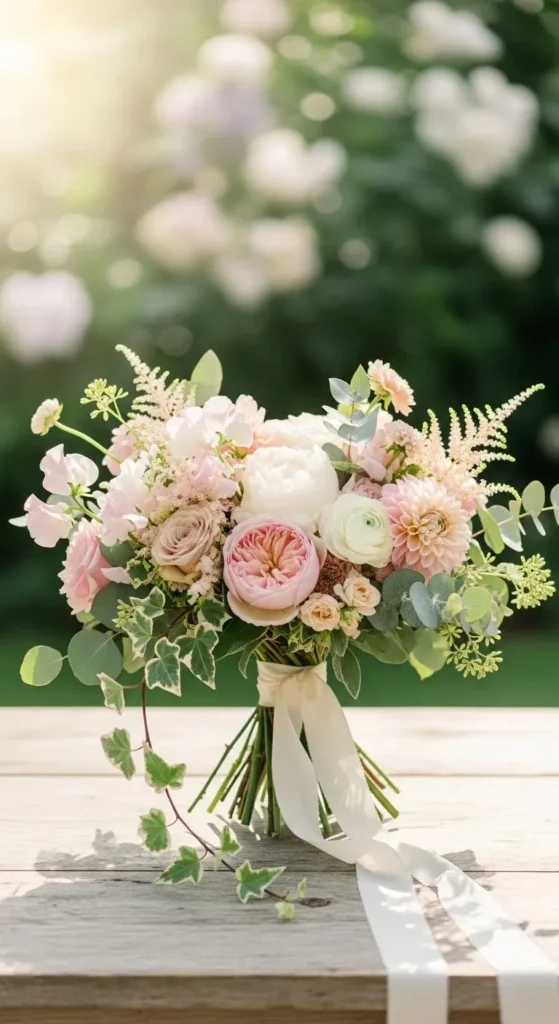
Flowers add beauty and romance to any wedding celebration.
However, rare or imported flowers can raise the price quickly.
Seasonal flowers usually cost less because they are widely available.
Ask florists which flowers grow naturally during your wedding month.
For example:
- Spring: tulips, peonies
- Summer: roses, daisies
- Autumn: chrysanthemums, dahlias
Seasonal greenery can also create stunning arrangements.
Eucalyptus, ferns, and olive branches often cost less than large flower displays.
Another DIY idea is mixing real flowers with artificial ones. Guests rarely notice the difference, especially in centerpieces.
You can also reuse ceremony flowers at the reception.
For instance, aisle arrangements can become table décor later.
This approach stretches your flower budget while keeping the venue beautiful.
Simplify the Wedding Cake Design
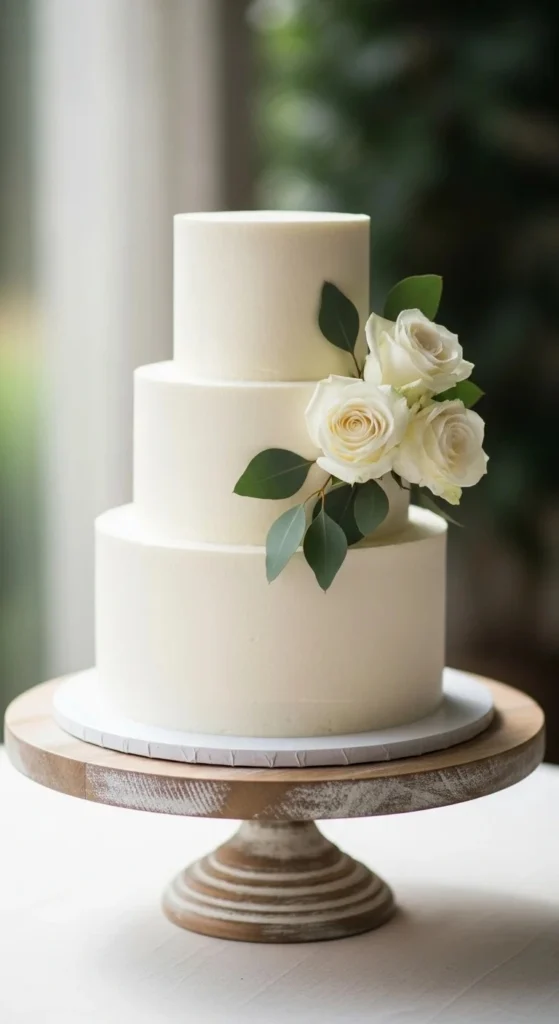
Wedding cakes often look stunning, but elaborate designs can increase costs quickly.
A simpler cake style keeps the budget balanced while still looking elegant.
Single-tier or two-tier cakes often cost far less than large multi-tier designs.
You can also use a display cake with sheet cake servings prepared in the kitchen. Guests receive slices without seeing the extra cake.
Minimal decoration works beautifully:
- Smooth frosting
- Small floral accents
- Fresh greenery
Another option is a dessert table with cupcakes, cookies, or mini pastries.
Family members who enjoy baking might contribute homemade treats as well.
This personal touch makes the dessert experience feel warm and memorable.
Keeping the cake design simple helps reduce wedding spending without sacrificing style.
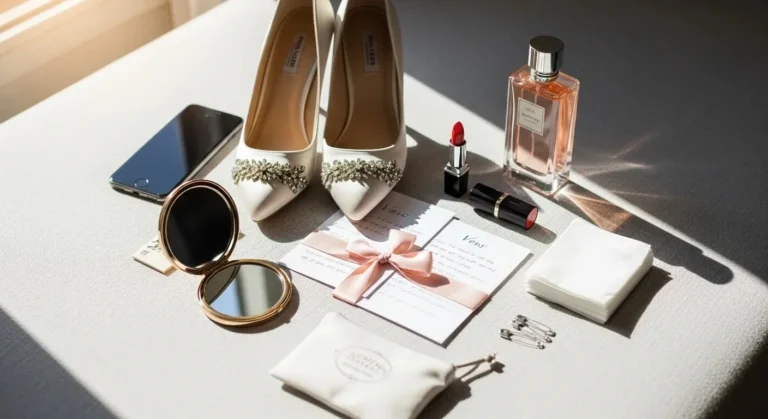
Borrow Attire Accessories
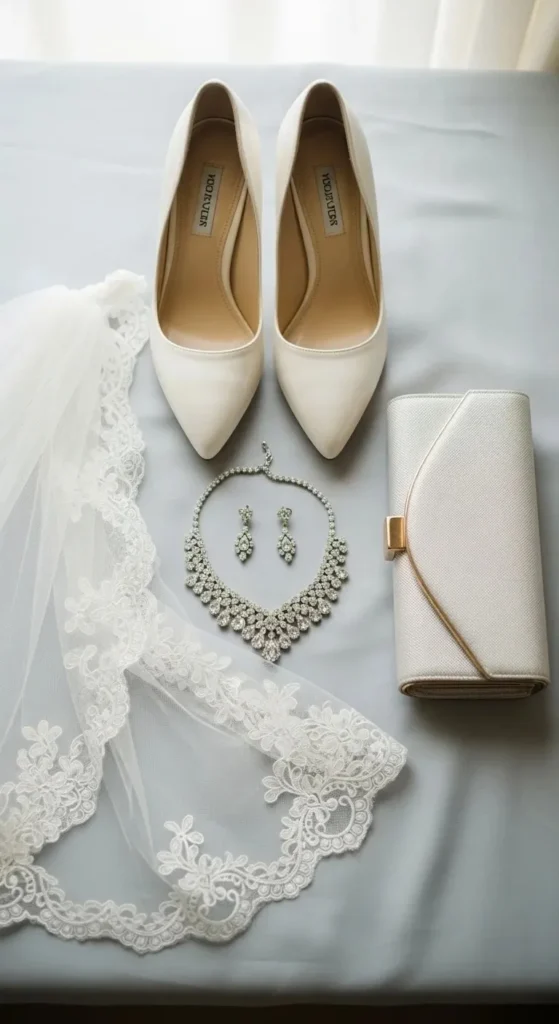
Wedding attire involves more than the dress or suit.
Accessories like jewelry, shoes, and veils can quickly add extra costs.
Borrowing items from friends or relatives is a smart solution.
Many brides love wearing family heirloom jewelry. It adds meaning to the day and saves money.
You might also borrow:
- Veils
- Hair accessories
- Clutches
- Cufflinks
These items are usually worn for only a few hours.
Another DIY idea is purchasing simple accessories and customizing them.
For example, adding pearls to a basic hair clip creates a beautiful bridal piece.
Borrowed accessories keep your wedding budget balanced while adding sentimental value.
Compare Multiple Vendor Quotes

Booking the first vendor you find may not always be the best choice.
Collect quotes from at least three vendors for each major service.
This includes:
- Photography
- Catering
- DJ or band
- Flowers
Compare the prices and services carefully.
Some vendors include extras like setup, equipment, or travel costs.
Others charge separately.
Write notes beside each quote so you can compare clearly.
Price should not be the only factor. Reliability and reviews matter too.
However, reviewing several options helps you find reasonable pricing.
This process protects your wedding budget and helps you make informed decisions.
Plan a Smaller Wedding Party
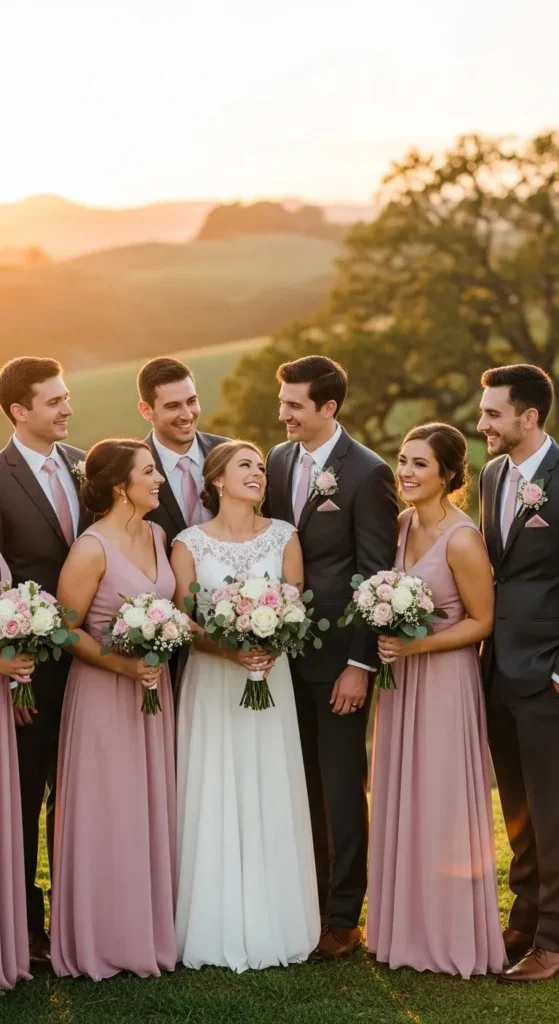
Large wedding parties can create additional expenses.
Each member may require bouquets, boutonnieres, gifts, and coordinated attire.
A smaller group keeps costs manageable.
Some couples choose only:
- One best friend
- One maid of honor
- One best man
Others skip the traditional wedding party completely.
This allows friends and family to simply enjoy the celebration as guests.
Another option is allowing bridesmaids to wear dresses they already own in similar colors.
This removes pressure on them and reduces spending.
Keeping the wedding party simple supports your budget while maintaining meaningful friendships.
Review the Budget Monthly

Wedding planning usually lasts several months.
During that time, expenses gradually change.
A monthly budget review keeps everything organized.
Sit down with your partner and open the budget sheet.
Check three things:
- What has already been paid
- What payments are coming next
- Whether any category exceeds the planned amount
If one category grows larger than expected, adjust another category to balance the total.
For example, if décor spending increases, reduce optional extras like favors.
These regular check-ins keep both partners involved in financial decisions.
The conversation also helps avoid misunderstandings.
A short monthly review keeps the wedding budget realistic from the first booking to the final payment.
Leave Room for Post-Wedding Expenses

Many couples focus only on wedding-day costs.
However, a few expenses appear after the event.
Examples include:
- Vendor tips
- Dress cleaning
- Thank-you cards
- Photo album printing
Adding a small post-wedding category to your budget helps prepare for these costs.
Even a few hundred dollars can cover most of these items.
Another helpful idea is setting aside money for keepsakes such as framed photos or printed albums.
These small reminders of the celebration often become cherished memories.
Planning for these final expenses keeps your wedding budget organized even after the celebration ends.
Conclusion
Breaking a wedding budget into clear steps makes planning far less stressful. Start with a realistic total, divide spending into categories, and track every payment carefully. Small decisions—like trimming the guest list, renting décor, choosing seasonal flowers, and designing digital invitations can save a surprising amount of money.
Budget planning does not remove the joy from wedding preparation. Instead, it creates structure so couples can focus on meaningful moments rather than financial stress.
With simple planning tools, open conversations, and thoughtful spending choices, couples can celebrate a beautiful wedding while keeping their finances comfortable.