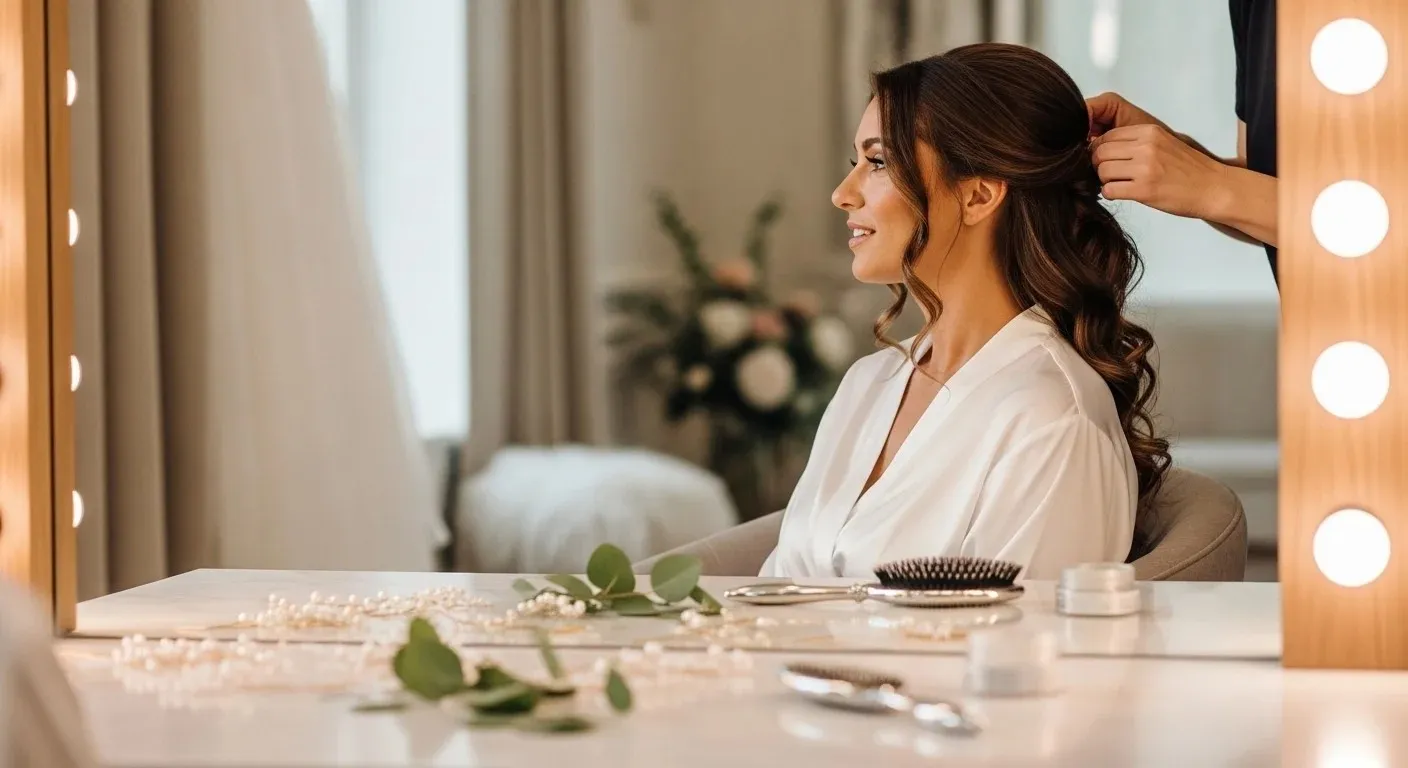
When I first started planning my bridal look, I quickly realized how confusing the process could be. I had saved dozens of hairstyle ideas, but I still didn’t know what would actually suit my face, dress, and budget. Some styles looked beautiful online but felt unrealistic for my hair type or required expensive extensions and products. I didn’t want to waste money on multiple appointments or feel disappointed on the wedding day. That is when I began focusing on practical Hair Trial tips that help narrow choices and make the process easier.
I wanted a hairstyle that felt natural, lasted for hours, and photographed beautifully without requiring constant adjustments. I also wanted something unique, not just a copy of a trending style. By approaching my trial with a clear plan, I was able to communicate better with my stylist, test realistic options, and avoid last-minute stress. The right preparation makes a noticeable difference.
These Hair Trial tips are designed to help you stay organized, make confident decisions, and create a bridal look that feels comfortable, beautiful, and truly personal without overspending.
Bring Inspiration Photos That Match Your Hair Type
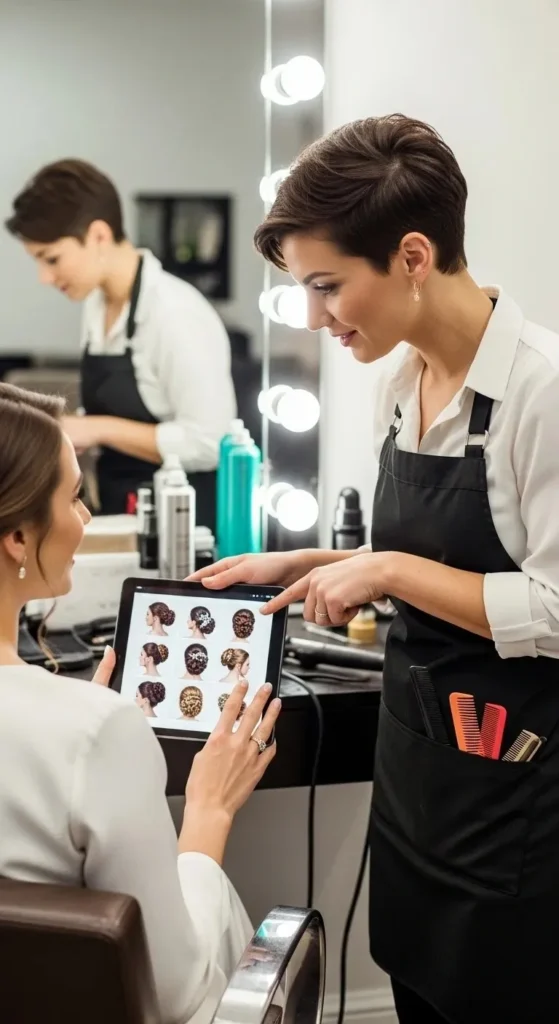
Photos of your dream hairstyles help stylists understand your taste quickly. Choose images featuring models with similar hair thickness, length, and color. This keeps expectations realistic. A curly style on thick hair may not look the same on fine hair. Save three to five photos showing front, back, and side angles. Avoid bringing too many images because it can create confusion. Screenshots from real weddings often show how styles hold throughout the day. Pinterest works well, but real bridal photos show texture better. Organize photos in one folder on your phone. This saves time during your appointment. If your hair is layered, mention it early so the stylist can adjust the plan. Clear references help avoid last-minute changes. Simple communication creates better results and avoids extra trial sessions.
Wear a Similar Top to Your Wedding Dress Neckline
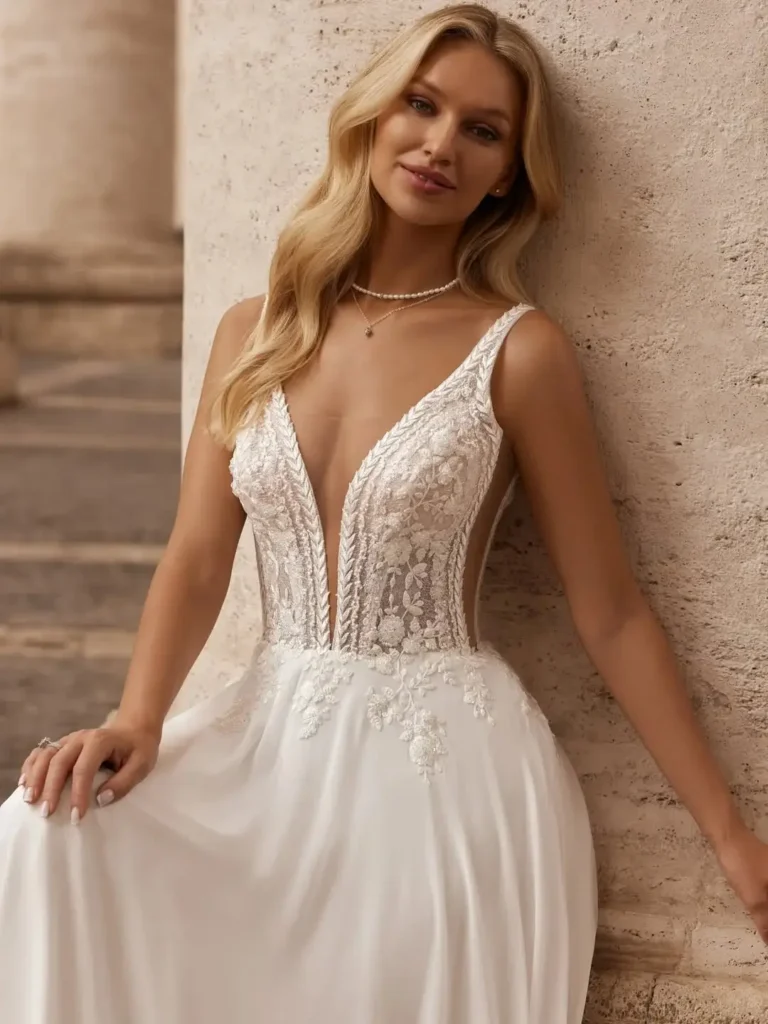
Necklines change how hairstyles appear. Strapless dresses highlight shoulders and often pair well with loose curls or textured buns. High neck dresses often look balanced with sleek updos. Wear a white or neutral top with a neckline similar to your dress. This gives a clearer idea of proportions. You do not need an expensive blouse. A simple off-shoulder or high-neck shirt works well. Seeing the overall look prevents surprises later. If your dress has lace or detailed fabric, bring a photo so the stylist can match the mood. Even small neckline differences affect how elegant or casual the hairstyle feels. Planning this detail saves time and helps you feel confident in photos.
Schedule Your Trial at the Same Time as the Ceremony
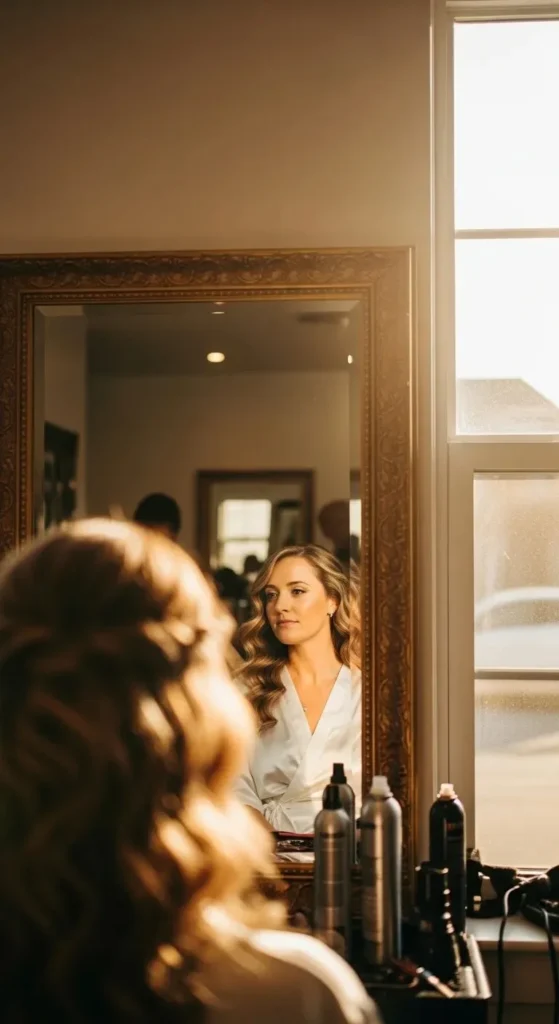
Lighting affects how hair color and texture appear. A morning appointment may not reflect how the style looks in evening lighting. If your ceremony is in the afternoon, try booking your trial at a similar time. This helps evaluate shine, volume, and shadows. Natural daylight reveals flyaways more clearly than artificial lighting. You can also see how curls relax after several hours. Keep the style for the rest of the day. Notice comfort, durability, and frizz. This simple step helps you predict how your hair behaves during real wedding conditions. It also shows if extra hairspray or pins are needed.
Arrive With Clean, Dry Hair
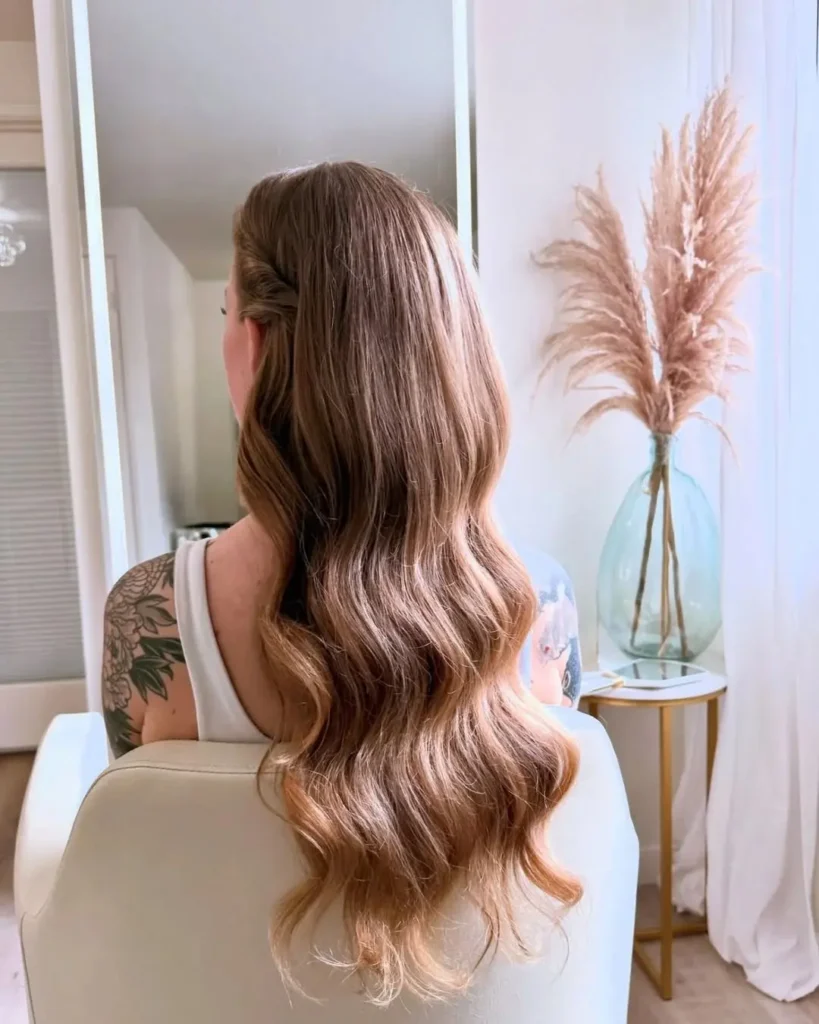
Stylists usually prefer hair washed the night before. Very clean hair can be slippery, while slightly natural texture holds styles better. Avoid heavy oils or styling creams before the appointment. These products may prevent curls from holding. Use gentle shampoo and light conditioner. Blow dry hair fully before arrival unless your stylist says otherwise. Wet hair takes extra time and may reduce styling practice time. Clean hair helps the stylist evaluate texture accurately. It also prevents unexpected reactions with heat tools. Preparation helps the session run smoothly and reduces extra costs for extended appointment time.
Bring Your Hair Accessories
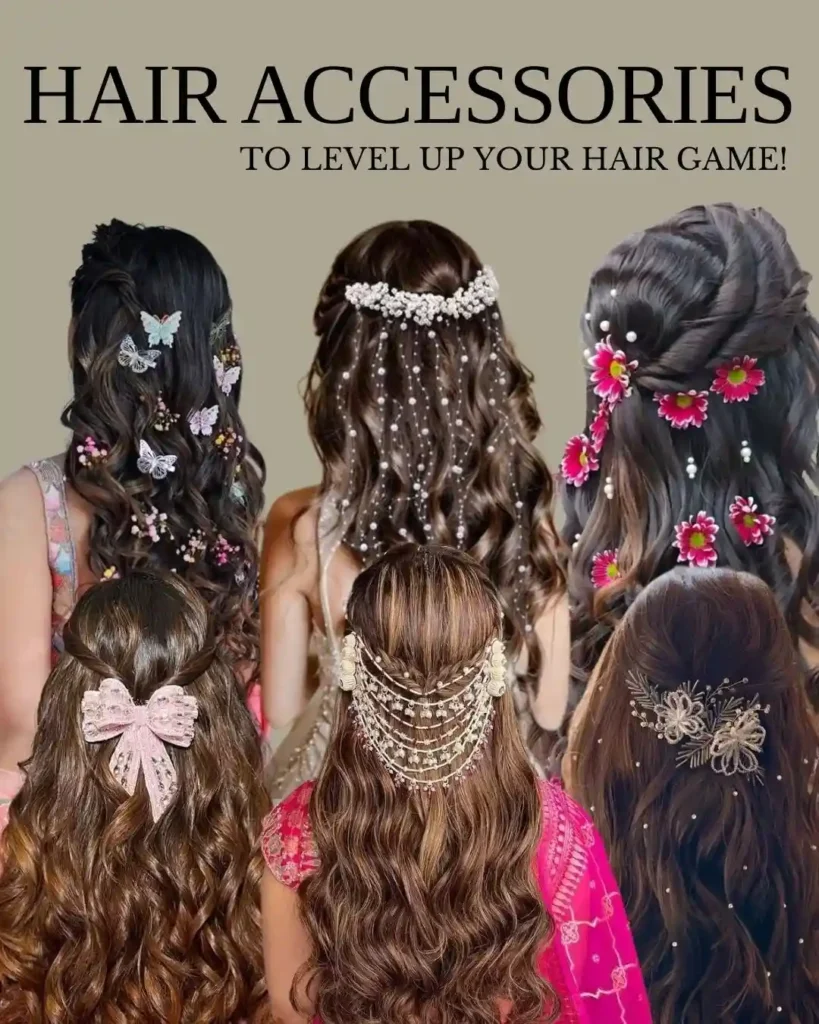
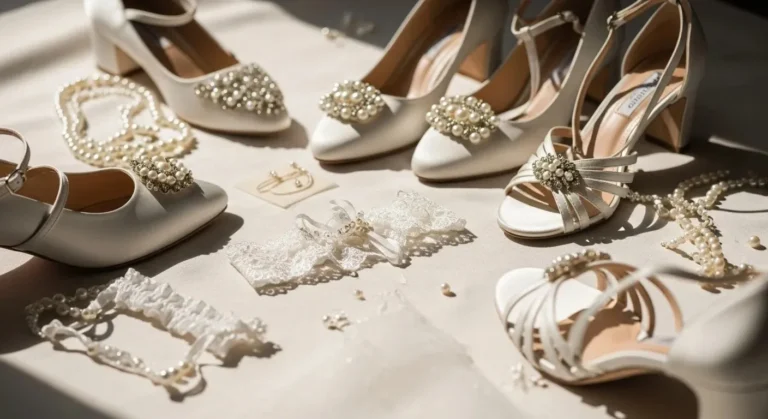
Hair accessories change the structure of a style. Bring your veil, clips, pins, or headband to the trial. Even affordable accessories influence balance and placement. A heavy veil may pull down curls or loosen pins. Trying accessories early prevents adjustments on the wedding day. Budget tip: order sample accessories online and return unused items later. This allows comparison without overspending. Seeing the full combination helps confirm the final look.
Test Comfort for Long Wear
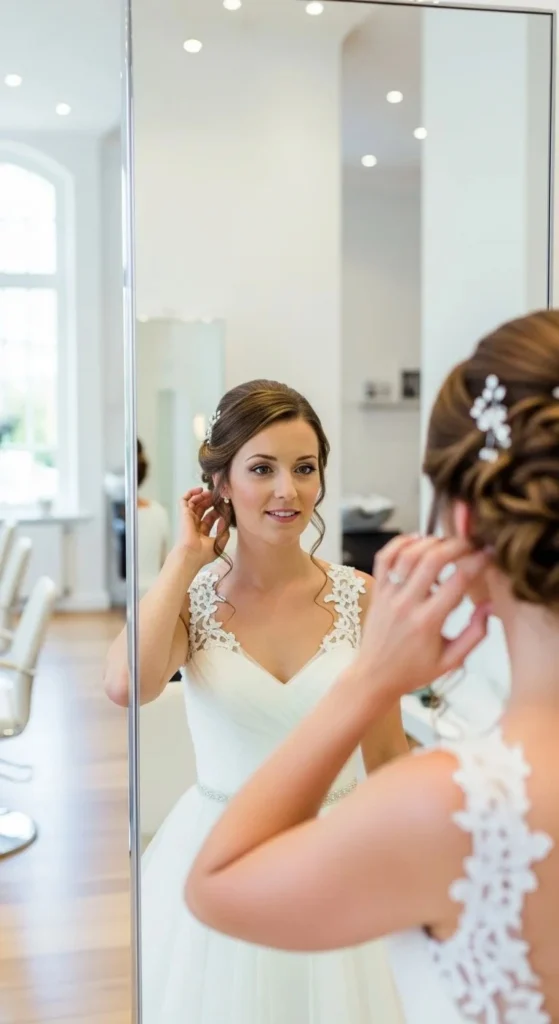
A style may look beautiful but feel uncomfortable after several hours. Tight pins or heavy teasing may cause headaches. Move your head gently during the trial. Notice pressure points or loose sections. Ask for adjustments immediately. Comfort helps you enjoy the day without distraction. Lightweight styles often feel better for long ceremonies. Simple modifications can improve wearability without changing the look.
Take Photos From Every Angle
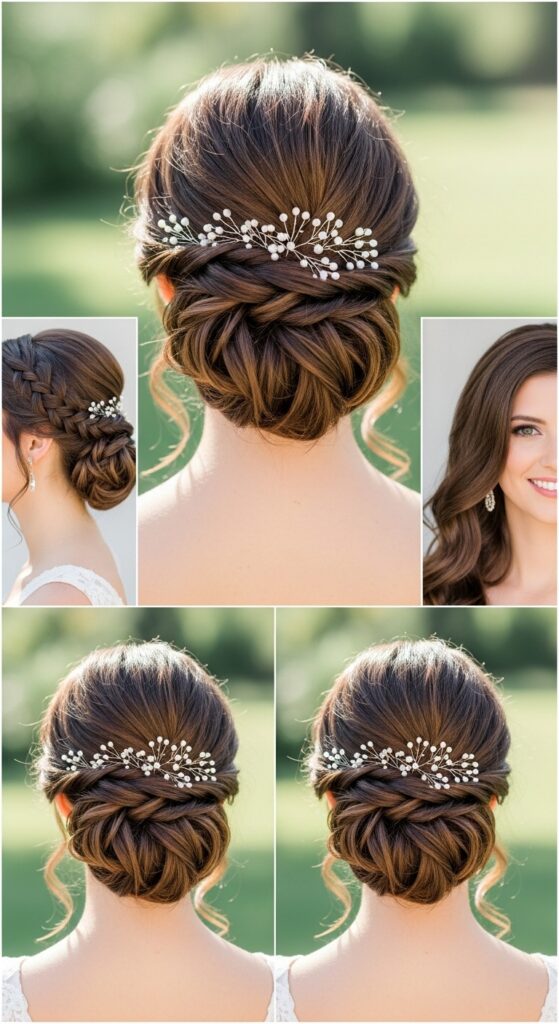
Phone photos reveal details missed in mirrors. Capture front, back, and profile angles. Lighting differences help you compare options later. Ask someone to photograph the back clearly. Review images after the appointment. Small adjustments may become visible. Photos also help explain changes during your final appointment.
Test Your Hair With Makeup
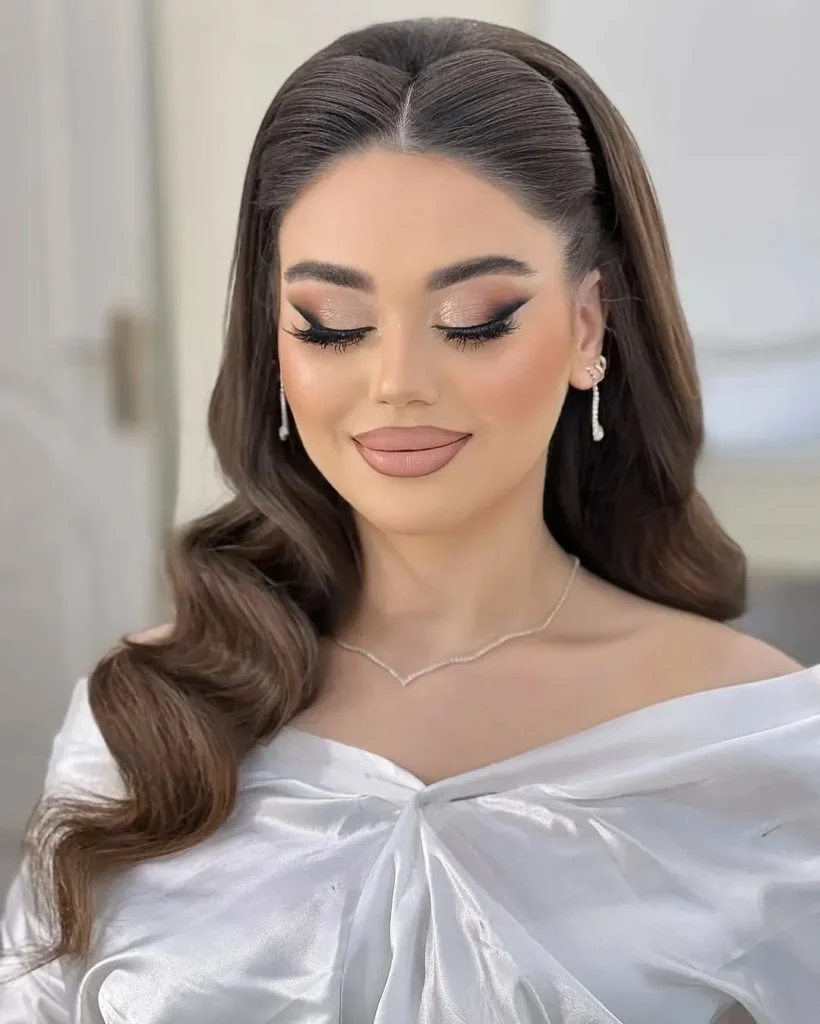
Hair and makeup influence each other. Dramatic hairstyles may require balanced makeup. Try simple makeup during the trial to visualize the full look. Even light foundation and mascara help evaluate proportions. Drugstore makeup works well for testing. Seeing the combination reduces surprises on the wedding day.
Check How the Style Holds After Hours
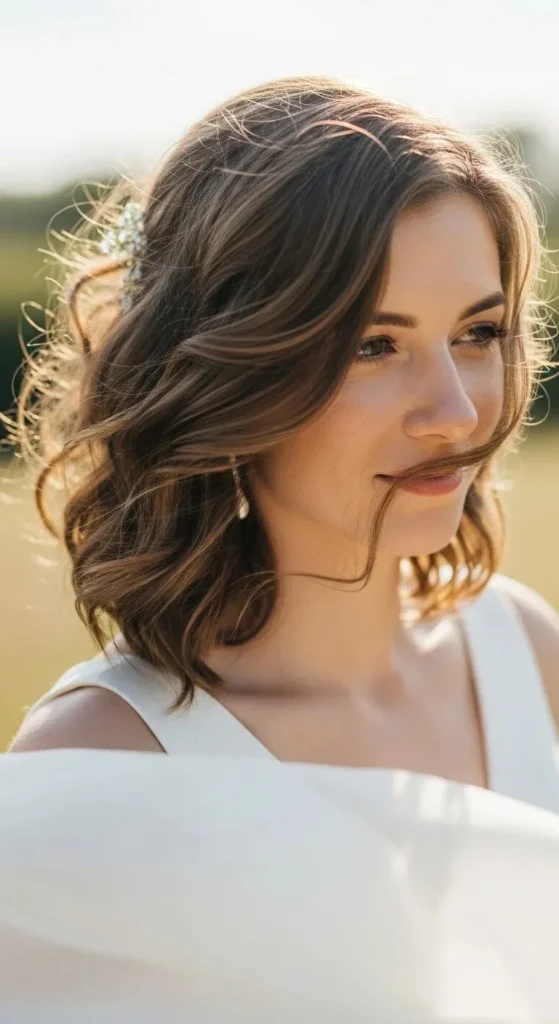
Keep the hairstyle for several hours. Observe volume changes and curl definition. Weather conditions affect texture. Humidity may soften curls. This helps decide if stronger products are needed. Testing longevity helps you feel prepared for a full-day event.
Discuss Backup Style Options
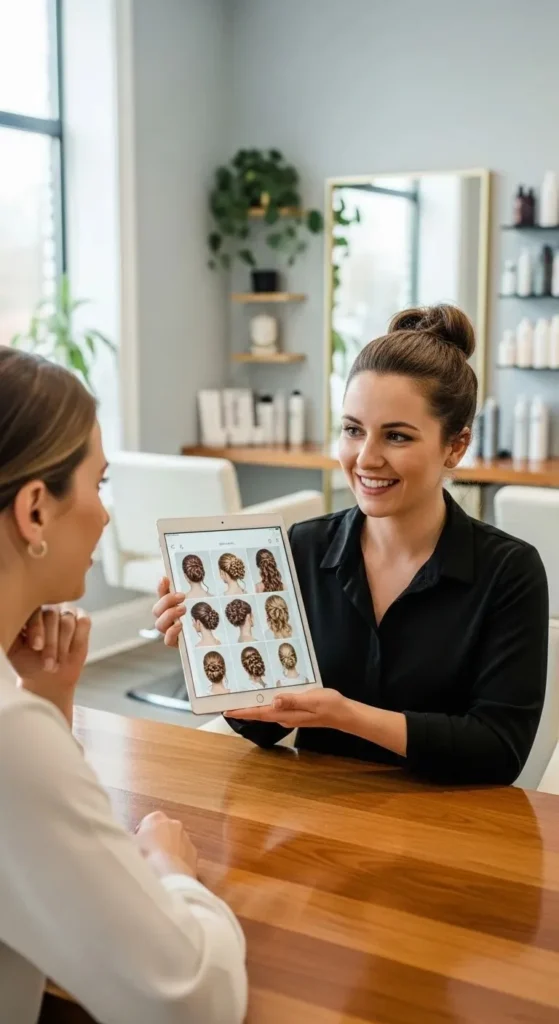
Unexpected weather or time delays may require quick adjustments. Ask your stylist for a simple alternative style. Loose bun options often work well if curls fall. Backup ideas reduce stress. Having a second plan provides confidence.
Bring Clip-In Extensions if Needed
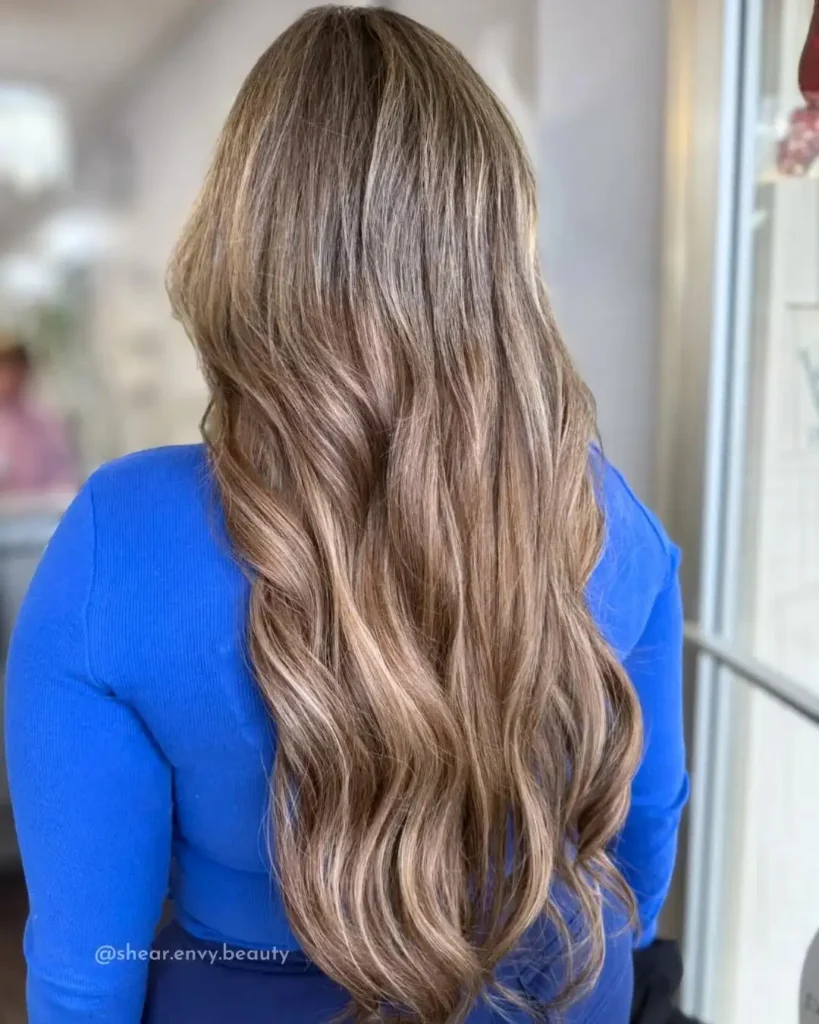
Extensions add volume and length affordably. Clip-in sets are budget-friendly compared to permanent options. Choose shades close to your hair color. Testing extensions during the trial helps determine placement. Proper blending improves overall shape.
Avoid Trying Completely New Hair Colors
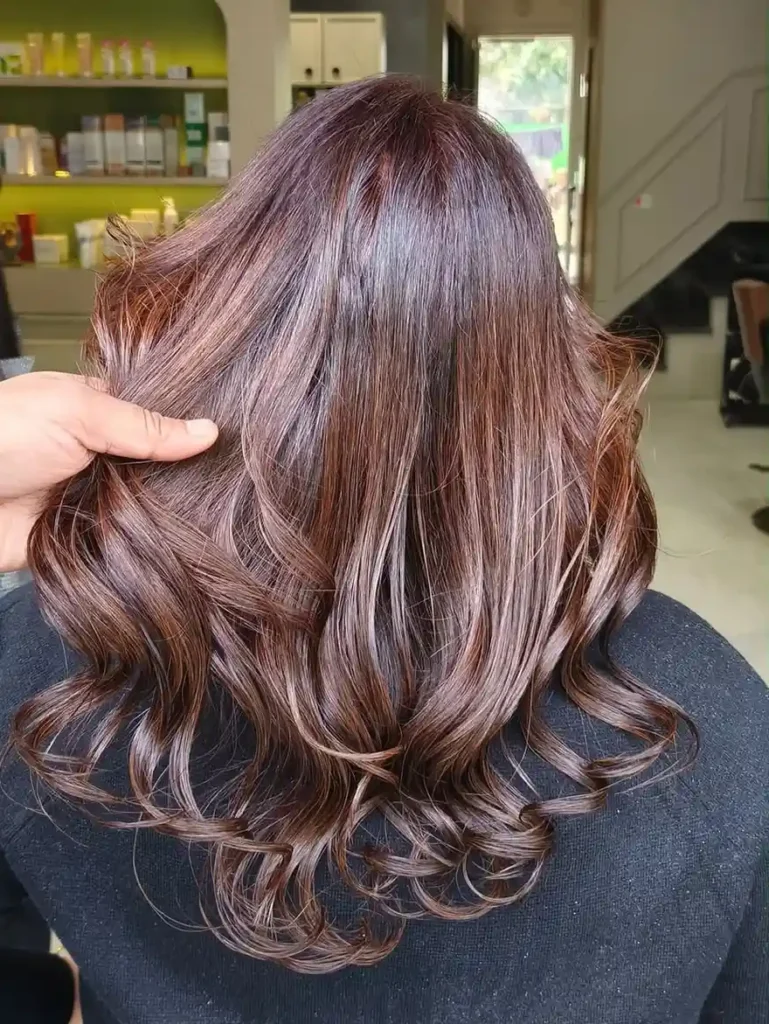
Major color changes close to the wedding may create stress if results differ from expectations. Maintain familiar hair color tones before the trial. Subtle highlights are easier to manage. Predictable color helps styling accuracy.
Communicate Clearly About Budget
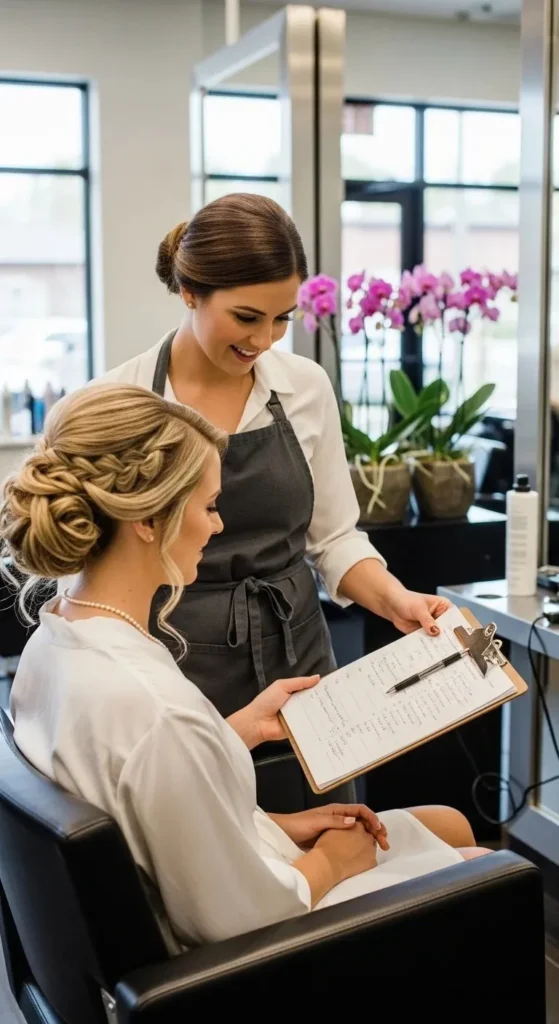
Share your price range openly. Stylists can suggest options that fit your plan. Simple styles often cost less and still look elegant. Communication prevents misunderstandings later.
Bring a Trusted Friend for Feedback
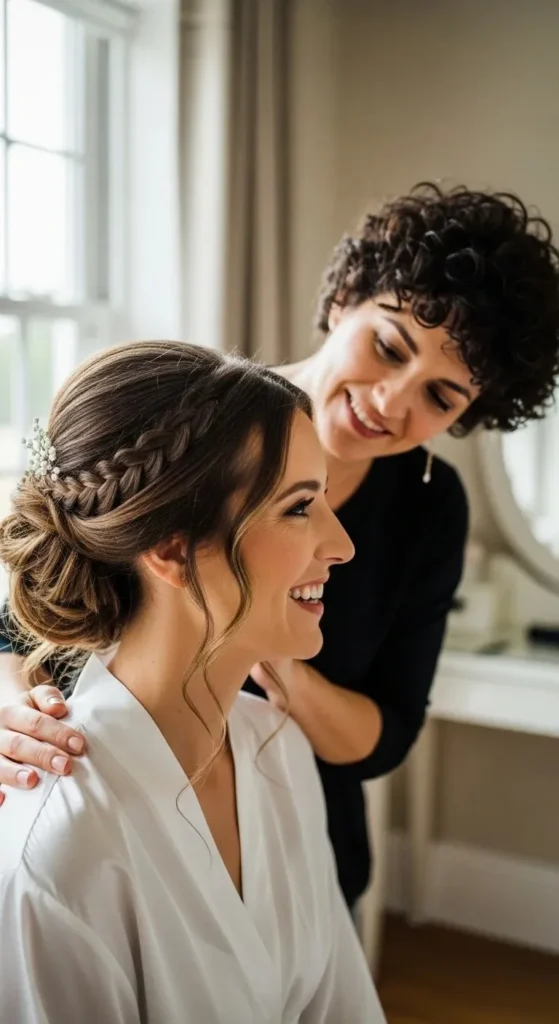
A supportive friend provides honest feedback. Choose someone who understands your style. Avoid bringing too many opinions. One trusted person helps maintain focus.
Wear Minimal Jewelry During Trial
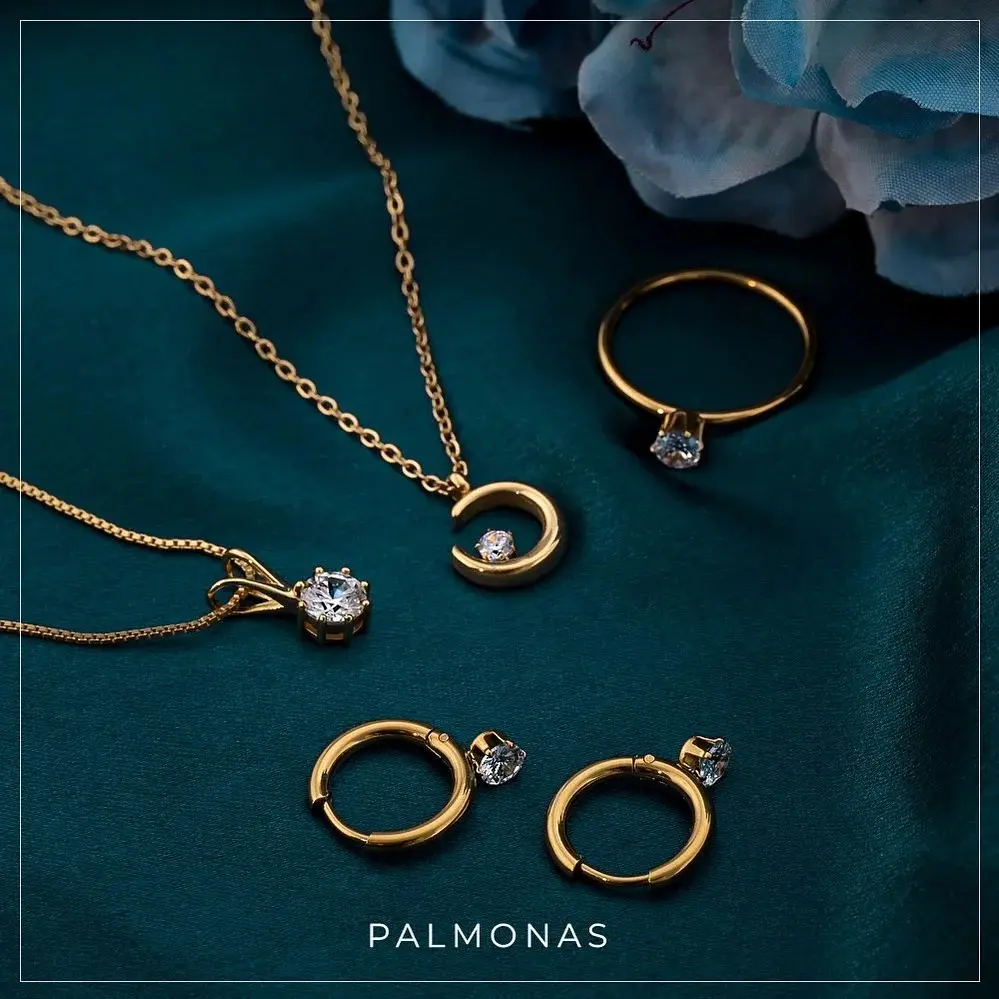
Large jewelry may distract from evaluating the hairstyle. Minimal accessories keep attention on structure and shape. Final jewelry can be tested later.
Discuss Weather Conditions at Venue

Outdoor weddings may require stronger hold products. Wind affects loose curls. Share venue details so the stylist can adjust techniques.
Trim Hair a Week Before the Trial
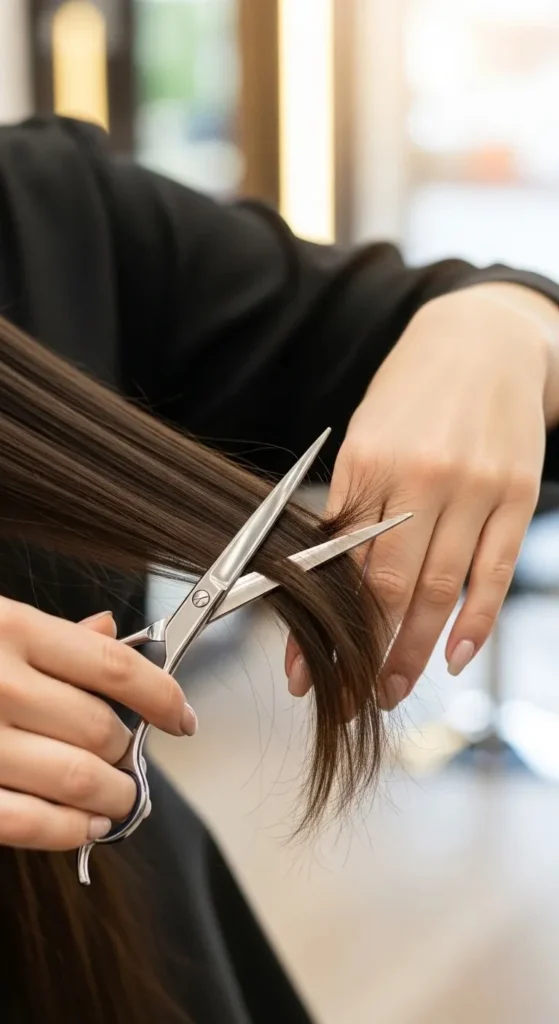
Fresh trims help shape styles better. Cutting hair too close to the wedding may change length unexpectedly. A one-week gap works well.
Test Different Parting Styles
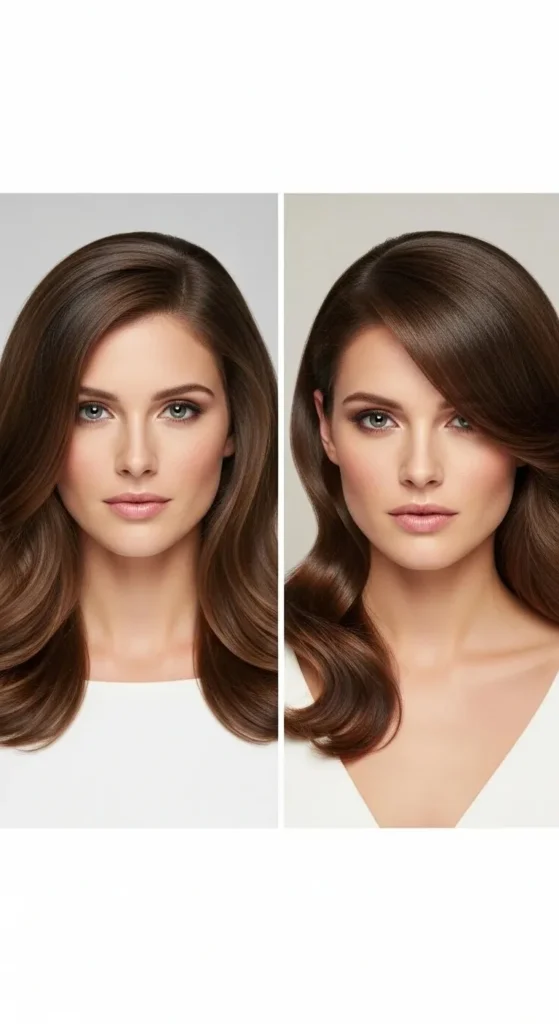
Changing part direction can transform appearance quickly. Middle parts feel modern. Side parts add volume. Try both options.
Ask About Hair Products Used
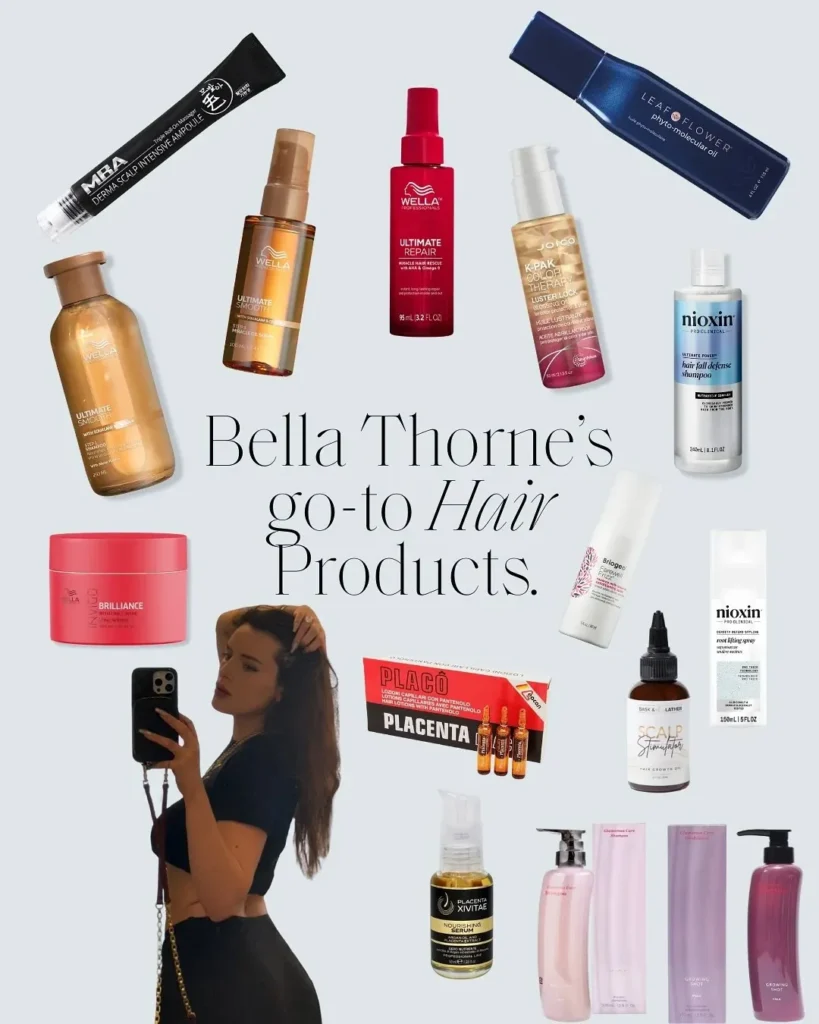
Knowing product names helps maintain the look later. Affordable alternatives are often available. Ask which products create hold or shine.
Practice Attaching Your Veil
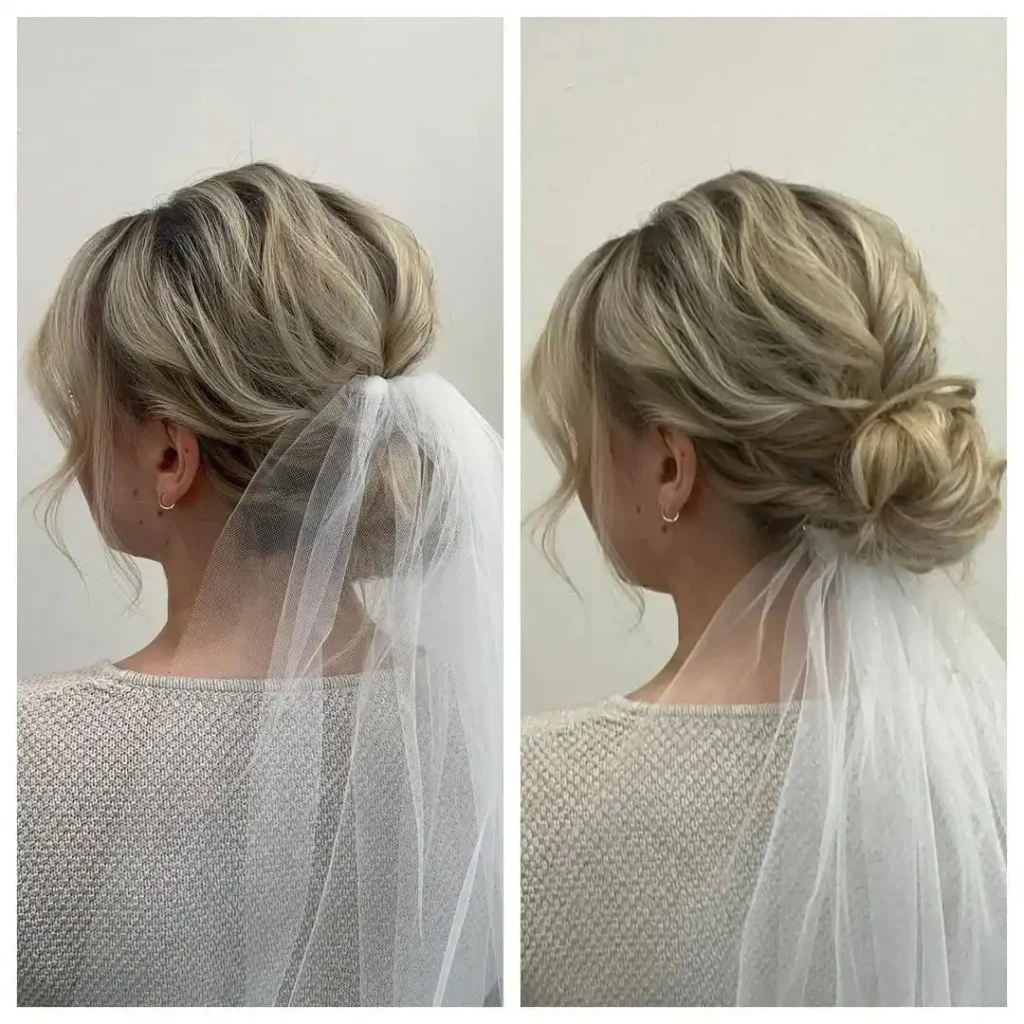
Learning placement helps prevent delays on the wedding day. Practice removal as well. Gentle technique protects the hairstyle.
Book the Trial 2–3 Months Before the Wedding

Scheduling early allows time for adjustments. Additional trials may be needed for major changes. Early planning prevents last-minute stress.
Conclusion
A thoughtful Wedding Hair Trial allows you to explore styles, identify comfort preferences, and communicate clearly with your stylist. Small preparation steps often prevent unnecessary expenses or repeated appointments. Photos, simple clothing choices, and honest feedback help shape a look that feels natural and long-lasting. By approaching the trial with a clear plan and realistic expectations, you create a bridal hairstyle that complements your personality and remains comfortable throughout the entire celebration.